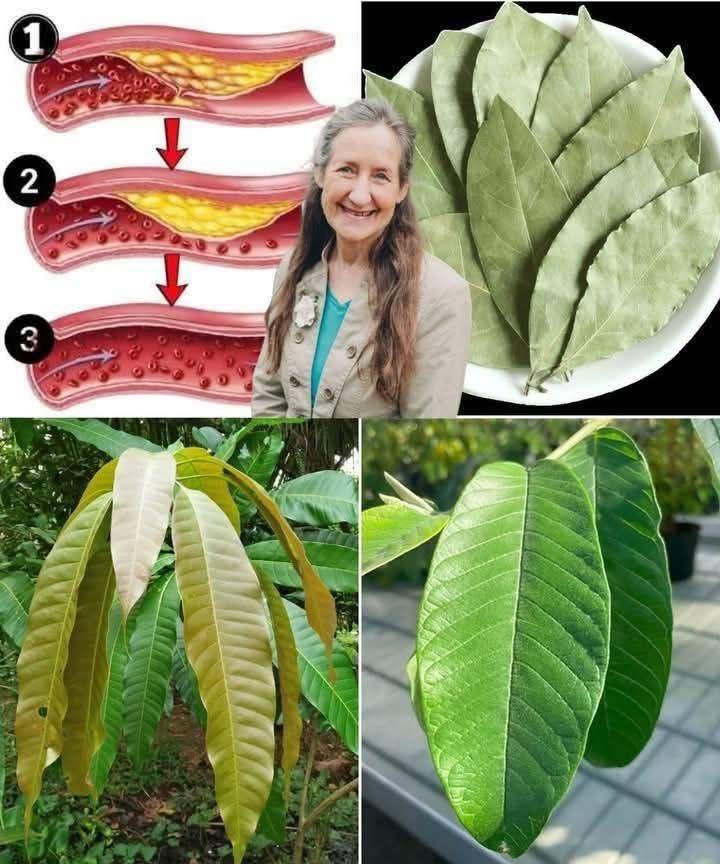
The Four Medicinal Leaves: Avocado Leaves 🌿🥑
While avocado is famous for its creamy fruit, its leaves have been used for centuries in traditional medicine (especially in Mexican and Central American cultures). Here’s why they’re prized—and how to use them safely:
Health Benefits of Avocado Leaves
-
Digestive Aid
-
Steeped as tea, they may soothe stomachaches, bloating, and diarrhea.
-
Contains quercetin and limonene, which support gut health.
-
-
Anti-Inflammatory & Pain Relief
-
Used topically (as a poultice) for headaches, joint pain, or bruises.
-
Contains polyphenols that reduce inflammation.
-
-
Respiratory Support
-
Tea may help relieve coughs, bronchitis, or asthma symptoms (anecdotal).
-
Acts as an expectorant to loosen mucus.
-
-
Blood Sugar & Blood Pressure Regulation
-
Preliminary studies suggest compounds in the leaves may help lower glucose and hypertension (more research needed).
-
How to Use Avocado Leaves
1. Avocado Leaf Tea
-
Ingredients:
-
2–3 dried avocado leaves (fresh can be toxic—see warning below!)
-
2 cups boiling water
-
Honey or lemon (optional)
-
-
Method:
-
Crush dried leaves lightly, steep in hot water for 10 mins. Strain and sip.
-
2. Topical Poultice
-
Crush dried leaves, mix with warm water or coconut oil, and apply to sore muscles/wounds (cover with a cloth).
3. Culinary Use
-
In Mexican cuisine, dried leaves flavor beans, tamales, or barbacoa (like a bay leaf).
⚠️ Important Safety Notes
-
Use only dried leaves: Fresh avocado leaves contain persin (a toxin harmful in large amounts). Drying/cooking reduces risk.
-
Avoid if pregnant/nursing: Limited safety data.
-
Allergies: Discontinue if rash or nausea occurs.
Bonus: The Other 3 Medicinal Leaves
-
Guava Leaves – Anti-diarrheal, blood sugar control.
-
Moringa Leaves – Nutrient-dense, boosts immunity.
-
Neem Leaves – Antimicrobial, skin/circulation support.
Ever tried avocado leaf tea? 🌱 Let me know if you’d like recipes for the others!